
Archive of the Carpathian Basin Classical Music Festival in 2021 HU | EN


The Carpathian Basin Classical Music Festival has been created with the intention of forming a tradition. Its aim is to present the diverse musical culture and artistic activity of the peoples living in the Carpathian Basin, to reinforce their collaboration in the field of music, and to discover and support young talents.
It cannot be emphasized enough how noble the force of music is in the community of peoples in the Carpathian Basin, showing the world the hard work and greatness that the composers, performers, musicologists and creative communities born here put into the creation of culture.
It is our belief that music penetrates even those walls that at first seem to be impenetrable, it brings people, communities, and cultures closer to one another, with fertile power it builds and nurtures the unparalleled culture of the Carpathian Basin, it brings traditions resoundingly to life, with overflowing beauty it smooths over misunderstandings, and in place of unrest it brings peace, collaboration, a belief in the eternal Good, and solace.
One special aspect of the festival is that the concerts are on consecutive days but in different cities and towns in the Carpathian Basin: Budapest, Miskolc, Debrecen, Subotica, Bratislava, Uzhhorod, and Cluj-Napoca.
As part of the festival we are holding masterclasses in Bratislava and Subotica, a musicology conference in Debrecen, and we are holding the Carpathian Basin International Piano Competition in Budapest.
The planners and founders of the Carpathian Basin Classical Music Festival are: pianist Apolka Bonnyai and her husband, Dr. István Bajkai, member of parliament.
Kárpát-medencei Zenetudományi KonferenciaBevezető
A Kárpát-medencei magyarság – elválaszthatatlanul a vele békében élő nemzetiségektől – határtalan szellemi kincset hozott létre ezeréves történelme során. Határtalant – a szó több értelmében is. Határtalanul nagyot, és határ-talanul összetartozót, mely összetartozást a mesterségesen meghúzott országhatárok sem szakíthatják szét. Sohasem szűnő gyönyörű kötelességünk, s egyben örömteli lehetőségünk művészetünk kincseinek tudatosítása, lajstromba szedése, megismerése, hogy felemelkedhessünk általuk, hogy megőrizhessük lelki-szellemi egységünket, hogy továbbadhassuk őket nemzetünk újabb és újabb generációinak, és hogy „gazdagíthassuk velük az emberiséget”. A fesztivál programjaként megrendezendő konferencia zenetörténetünk néhány óriásának Kárpát-medencei kötődését, pontosabban ezen sokrétű kötődésrendszer néhány aspektusát mutatja be, Dohnányi Ernő, Bartók Béla, Kodály Zoltán, Lajtha László művészetét vizsgálva. E szoros kötődés nélkül egyikük sem válhatott volna nemzetközi jelenséggé, egyikük sem hozhatott volna létre egyetemes értékeket. A XX. század első felének e négy nagy alkotója mellett két különleges téma is helyet kap a konferencián: hallhatunk majd a 17-18-i századi Kárpát-medencei iskoladrámákról és népénekekről, valamint arról, hogy a világhírű hegedűművész, a 19-20. század fordulója magyar zenei életének egyik vezető személyisége, Hubay Jenő életére milyen hatással volt a trianoni békediktátum. A hat zenetörténeti előadást igazi művészeti élménnyel koronázza meg Szecsődi Ferenc hegedűművész és Balog József zongoraművész, valamint a Szlovákiai Magyar Pedagógusok Vass Lajos Kórusának hangversenye. Felcsendülnek majd Hubay, Lajtha, továbbá jeles – ám az anyaországban kevésbé ismert – felvidéki szerzők művei. Solymosi Tari Emőke |
||
|
|
||
|
2021. szeptember 25. szombat Debreceni Egyetem, Zeneművészeti Kar Nagyterme (4032, Debrecen, Nagyerdei krt. 82.) |
||
| 15:00 | Köszöntő | |
| 15:10 | Medgyesy S. Norbert | A karácsonyi ünnepkör 17–18. századi iskoladrámái, népi dramatikus játékai és dramatikus népénekei – egykor és ma |
| 15:40 | Gombos László | Hubay Jenő és Trianon |
| 16:10 | Kusz Veronika | Dohnányi Ernő és Pozsony |
| 16:40 | Kávészünet | |
| 17:00 | Biró Viola | Bartók Béla népzenegyűjtései a Kárpát-medencében |
| 17:30 | Józsa Mónika | Kodály Zoltán és a Felvidék |
| 18:00 | Solymosi Tari Emőke | Magyarság és európaiság Lajtha László művészetében |
 „Magyar vagyok: lelkem, érzésem örökséget kapott, melyet nem dobok el: a világot nem szegényíteni kell, hanem gazdagítani. Hogy szolgálhatom az emberiséget, ha meg nem őrzök magamban minden színt, minden kincset, ami az emberiséget gazdagíthatja? A magyarság színét, a magyarság kincsét! De mily balga volnék, ha ugyanakkor más színt, más kincset el akarnék venni, vagy meggyengíteni! Én hiszek a testvériségben: a színek együtt adják ki a képet, a hangok együtt adják a koncertet.” – írja hitvallásában Babits Mihály,1924-ben.
|
A fesztivál programjaként megrendezendő konferencia zenetörténetünk néhány óriásának Kárpát-medencei kötődését, pontosabban ezen sokrétű kötődésrendszer néhány aspektusát mutatja be, Dohnányi Ernő, Bartók Béla, Kodály Zoltán, Lajtha László művészetét vizsgálva. E szoros kötődés nélkül egyikük sem válhatott volna nemzetközi jelenséggé, egyikük sem hozhatott volna létre egyetemes értékeket. A XX. század első felének e négy nagy alkotója mellett két különleges téma is helyet kap a konferencián: hallhatunk majd a 17–18. századi Kárpát-medencei iskoladrámákról és népénekekről, valamint arról, hogy a világhírű hegedűművész, a 19–20. század fordulója magyar zenei életének egyik vezető személyisége, Hubay Jenő életére milyen hatással volt a trianoni békediktátum. A hat zenetörténeti előadást igazi művészeti élménnyel koronázza meg a kétrészes zárókoncert, amelynek első részében Balog József zongoraművész és Szecsődi Ferenc hegedűművész Popper, Hubay, Dohnányi és Lajtha műveit adják elő, második részében pedig a Szlovákiai Magyar Pedagógusok Vass Lajos Kórusa jeles – ám az anyaországban kevésbé ismert – felvidéki szerzők műveit szólaltatja meg, Bartók és Kodály egy-egy kompozíciója mellett.
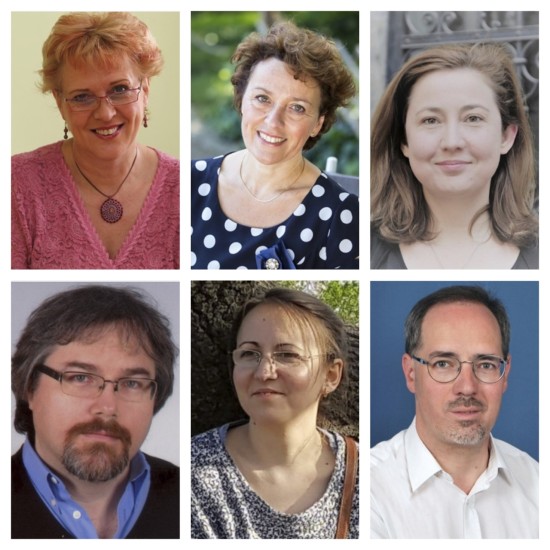
Norbert S. MEDGYESY PhD (Győr, 1977) is a educational historian who deals with the regional effects of secondary and higher education in Hungary in the 17th-19th centuries, the colourful world of school culture in the Baroque era, especially school theatre and music life, and its worldly patrons. Since 1997 he has been a member of the Old Hungarian Drama Research Group. His research field also extends to the Csíksomlyó mystery plays, and the relationship between folk chants of the 17th and 18th centuries (primarily those historical in content) and folk tradition. He compiled and systematized the unique traditions of the village of Perenye in Vas County. The findings of his investigations have been published in three monographs and many studies, partly supported by the Bolyai János Research Scholarship from the Hungarian Academy of Sciences and currently with support from the Arts Scholarship of the Hungarian Academy of Arts. To present these treasures in the 21st century, in 2002 he founded the Blessed Eusebius Theatre Company (BÖSZK), whose members have to date presented 15 Baroque school dramas and three folk plays in 25 venues in the Carpathian Basin; some performances can be seen on the Hungarian Academy of Arts Publishers channel http://t.ly/dxYDMa. |
|
GOMBOS László Szabolcsi Bence-díjas zenetörténész 1967-ben született Szombathelyen. A szombathelyi konzervatóriumban zongora, orgona és zeneelmélet szakra járt. 1990-ben a budapesti Zeneakadémián középiskolai énektanári, karvezetői és zeneelmélet-tanári, majd 1995-ben muzikológusi és zenetörténet-tanári diplomát szerzett. Ugyanitt 1995–98 között Zenetudományi Doktori Iskola programjában vett részt. Részmunkaidőben zenetörténetet tanított a Városmajori Gimnáziumban (1990-1998), a Debreceni Egyetemen (1998–2002) és a budapesti Bartók Konzervatóriumban (1995–2016). Emellett 1994 óta az MTA (BTK) Zenetudományi Intézet kutatója a Magyar Zenetörténet Osztályon, 2002-től az Intézet Dohnányi Archívumában, 2009-től a Zenetörténeti Múzeumban. Szűkebb kutatási területe a 19. és 20. század magyar zenéje, a hazai koncertélet mellett elsősorban Liszt Ferenc, Hubay Jenő, Dohnányi Ernő, Bartók Béla, Aggházy Károly, Farkas Ferenc és Szokolay Sándor életműve. Európa-szerte rend¬¬sze¬¬re¬¬sen tart zenetudományi és ismeretterjesztő előadásokat. Harmincnál több önálló kiállítást rendezett magyar zenetörténeti témákban (Budapest, Berlin, Brüsszel, Ferrara, Róma, Szeged, Nagy¬¬ka¬¬ni¬¬zsa, Genf, Lausanne, Moszkva), ill. közreműködött az össze¬¬állí¬¬tᬬsukban. Összesen mintegy 200 tanulmányt, cikket és könyvet publikált. 2002–2007 a Dohnányi Évkönyveket szerkesztette, 2010 óta a Zenetörténeti Múzeum katalógusait, tanulmányköteteit és egyéb kiadványait adja közre. 2009 óta közel ezer hangversenyt szervezett a Zenetudományi Intézetben. A Hubay Jenő Társaság alelnöke, a Hubay Alapítvány elnöke és a Magyar Liszt Társaság budapesti csoportjának vezetője. László GOMBOS, musicologist and holder of the Bence Szabolcsi Prize, was born in Szombathely in 1967. He studied piano, organ and music theory at Szombathely Conservatory, and from 1985 in Budapest at the Liszt Academy of Music at the Department of Choral Conducting and Music Theory. In 1995 he graduated in musicology and music teaching at the same institute. During the next three years he took part in the PhD programme in musicology. Since 1990 he has taught music history in the Városmajor Grammar School (1990-1998), at the University of Debrecen (1998–2002), and at the Béla Bartók Conservatory in Budapest (1995-2016). Besides this he has been a researcher at the Institute for Musicology in Budapest since 1994. In 2002–2009 he worked in the Ernő Dohnányi Archives, and since 2009 he has worked in the Museum of Music History in the same institute. His main research field is Hungarian music at the turn of the 19th and 20th centuries, Hungarian concert life, and oeuvres of such composers as Franz Liszt, Jenő Hubay, Ernő Dohnányi, Béla Bartók, Károly Aggházy, Ferenc Farkas and Sándor Szokolay. He has organized over thirty musical exhibitions throughout Europe on topics of Hungarian music history, in Budapest, Berlin, Brussels, Ferrara, Rome, Szeged, Nagykanizsa, Geneva, Lausanne, Moscow. He has published about 200 studies, articles, and books. In 2002–2007 he edited the Dohnányi Yearbook, and since 2010 he has published catalogues, study booklets and other publications for the Museum of Music History. He is vice-president of the Jenő Hubay Society and president of the Hubay Foundation and the Budapest branch of the Hungarian Liszt Society. |
|
KUSZ Veronika PhD (*1980), zenetörténész, az ELKH BTK Zenetudomány Intézet tudományos főmunkatársa. 2003-ban végzett a Liszt Ferenc Zeneművészeti Egyetem zenetudományi szakán; 2010-ben védte meg PhD doktori értekezését ugyanitt. 2005–2006-ban Fulbright-ösztöndíjjal a floridai Tallahassee-ben Dohnányi amerikai hagyatékát kutatta. 2002-től dolgozik az [MTA] BTK Zenetudományi Intézetben. 2015-től témavezető és óraadó a Liszt Ferenc Zeneművészeti Egyetem Doktori Iskolájában. Fulbright, (2005-2006), Kodály- (2005, 2006, 2008), NKA Alkotói- (2009, 2010), Bolyai- (2015-2018, 2019-2022), ÚNKP-ösztöndíjas (2019-2021); munkáját Akadémiai Ifjúsági Díjjal (2016), Bolyai- (2019), és Kroó György-plakettel (2019) ismerték el. Tanulmányai jelentek meg többek közt a Notes, American Music, Journal of the American Harp Society, The Pan, Studia Musicologica című rangos folyóiratokban és más lapokban. Önálló kötetei: Járdányi Pál / Pál Járdányi (Mágus, 2004; 2. kiadás: BMC, 2016); Dohnányi amerikai évei (Rózsavölgyi, 2015); A Wayfaring Stranger: Ernst von Dohnányi’s American Years (University of California Press, 2020); Dohnányi Ernő: Válogatott írások és nyilatkozatok (Rózsavölgyi, 2020). Veronika KUSZ PhD (*1980), musicologist, senior research fellow at the the Institute for Musicology, Budapest. She graduated in musicology at the Liszt Academy of Music, Budapest, in 2003, where she earned her PhD in 2010. As a Fulbright -scholar, she spent an academic year in 2005‒2006 at Florida State University, Tallahassee, conducting research at the American Dohnányi collections. She has been working at Institute for Musicology, Budapest, since 2002. She has been advisor and lecturer at the Doctoral School of the Liszt Academy of Music since 2015. She has been awarded several scholarships (Fulbright, 2005‒2006; Kodály 2005, 2006, 2008; Bolyai, 2015‒2018, 2019‒2022, and ÚNKP, 2019‒2021) and awards: the Academic Youth Prize (by the Hungarian Academy of Sciences, 2016), Bolyai Plaquette (2019), and the Kroó György Plaquette. She has published articles in Notes, American Music, Journal of the American Harp Society, The Pan, and Studia Musicologica among others. Her books include: Járdányi Pál / Pál Járdányi (Mágus 2004, second edition: BMC, 2016), Dohnányi amerikai évei [Dohnányi’s American years] (Rózsavölgyi, 2015), A Wayfaring Stranger: Ernst von Dohnányi’s American Years (University of California Press, 2020), Dohnányi Ernő: Válogatott írások és nyilatkozatok [Ernő Dohnányi: Selected writings and statements] (Rózsavölgyi, 2020). |
|
BIRÓ Viola PhD (*1985) a kolozsvári Gh. Dima Zeneakadémián kezdte zenetudományi tanulmányait (2004–2008), majd a budapesti Liszt Ferenc Zeneművészeti Egyetem muzikológus MA tanszakán folytatta (2008–2010). 2010-től a budapesti Zeneakadémia zenetudományi PhD képzésén tanult. 2011 és 2013 között részt vett az MTA Zenetudományi Intézet Magyar Zenetörténeti Osztálya, illetve 20–21. Századi Magyar Zenei Archívuma különböző projektjeiben. 2013 őszétől az MTA BTK Zenetudományi Intézete Bartók Archívumának munkatársa, ahol elsődleges feladata a zeneszerző román népzenegyűjtései kéziratos és hangzó forrásainak vizsgálata. Kutatásai eredményéről magyar, román és angol nyelven tartott konferencia-előadásokban, tanulmányokban számolt be. Lampert Verával együttműködve részt vett a Bartók Béla írásai népzenei tanulmányokat és előadásokat tartalmazó 4. kötetének közreadásában (EMB, 2016). Zenetudományi PhD disszertációját Bartók román népzenegyűjtéseiről és ennek a zeneszerző műveire gyakorolt hatásáról írta (témavezető: Vikárius László). Jelenleg részt vesz a Népzene Bartók műveiben c., Bartók népdalfeldolgozásainak forrásait közreadó internetes adatbázis (http://bartok-nepzene.zti.hu/) szerkesztésében, valamint a Bartók Béla zeneműveinek kritikai összkiadása különböző köteteinek előkészítésében. Viola BIRÓ PhD (*1985) studied musicology at the Gh. Dima Academy of Music in Cluj-Napoca (Kolozsvár), Romania (2004–2008), and continued with an MA in musicology at the Liszt Academy of Music in Budapest (2008–2010). Between 2010 and 2013 she attended doctoral studies in musicology at the same institution. From 2011 to 2013 she took part in various projects in the Hungarian Music History Department of the Institute for Musicology of the Hungarian Academy of Sciences, and the Hungarian 20th and 21st century Music Archives, . Since September 2013 she has been working at the Bartók Archives, Institute for Musicology where her main task was the examination of manuscript and audio sources of the composer’s collection of Romanian folk music. She gave an account of her findings in conference papers in Hungarian, Romanian, and English. She was co-editor (with Vera Lampert) of the 4th volume of Béla Bartók Collected Essays, containing his folk music studies and conference papers, published in 2016. She wrote her PhD dissertation on Béla Bartók’s research into Romanian folk music and its influence on his compositions (supervisor: László Vikárius). Currently she is working on the preparation of the online source catalogue of Bartók’s folk music arrangements (http://bartok-nepzene.zti.hu/en), and she participates in the preliminary work for several volumes of the Béla Bartók Complete Critical Edition. |
|
Dr. Mónika JÓZSA, choir conductor, music and voice teacher is Assistant Professor at the Teacher Training Institute of the Central European Studies Faculty of the University of Constantinus the Philosopher in Nitra (Slovakia). She is an honorary member of the Hungarian Kodály Society and a non-academician member of the secretariat of the Hungarian Academy of Arts. |
|
Dr. Emőke SOLYMOSI-TARI (PhD) is a music historian and an ordinary member of the Hungarian Academy of Arts. She completed her studies in Budapest. She gained a piano teacher’s certificate at the Teacher Training Instituted of the Liszt Academy of Music, then graduated in music teaching, and in musicology, in the University Section. She also has a higher vocational qualification in cultural management. From 1988 she began working as a music journalist. From 1995 for more than two decades she taught musical repertoire at the King Saint István Grammar School of Music; since 2001 she has taught music history at the Liszt Academy, from 2021 as an associate professor. It was here that in 2013 she defended her doctoral dissertation on the stage works of László Lajtha. Since 2014 she has been director of the Art Theory Section of the Hungarian Academy of Arts. |
 MEDGYESY S. Norbert PhD (Győr, 1977) művelődéstörténész a 17–19. századi magyarországi közép- és felsőfokú oktatás regionális hatásaival, a barokk iskolakultúra színes világával, azon belül kiemelten az iskolai színjátszással és zenei élettel, és annak világi mecénásaival foglalkozik. 1997 óta a Régi Magyar Dráma Kutatócsoport tagja. Kutatási területe a csíksomlyói misztériumjátékok, a 17–18. századi (elsősorban historikus tartalmú) népénekek és néphagyomány kapcsolatára is kiterjed. A vasi Perenye község egyedülálló hagyományvilágát összegyűjtötte és rendszerezte. Vizsgálódásainak eredményeiről 3 monográfiája és számos szaktanulmánya látott napvilágot, részben az MTA Bolyai János Kutatási Ösztöndíj és jelenleg az MMA Művészeti Ösztöndíj támogatásával. E kincsek 21. századi bemutatására tanítványaiból 2002-ben Piliscsabán megalapította a Boldog Özséb Színtársulatot (BÖSZK), melynek tagjaival eddig 15 barokk iskoladrámát és 3 népi játékot elevenített fel a Kárpát-medence 25 helyszínén; néhány előadás az MMA Kiadó


 Dr. JÓZSA Mónika, karnagy, ének-zenetanár a Nyitrai Konstantin Filozófus Egyetem Közép-európai Tanulmányok Kara Pedagógusképző Intézetének (Szlovákia) adjunktusa. A Magyar Kodály Társaság tiszteletbeli tagja, az MMA nem akadémikus köztestületi tagja.
 DR. SOLYMOSI-TARI Emőke (PhD) zenetörténész, az MMA rendes tagja. Tanulmányait Budapesten végezte. A Liszt Ferenc Zeneművészeti Főiskola Tanárképző Intézetében zongoratanári oklevelet, az Egyetemi Tagozaton zeneirodalomismeret-tanári, majd muzikológusi diplomát szerzett. Felsőfokú kulturális menedzseri szakképesítéssel is rendelkezik. 1988-tól zenei szakújságírói tevékenységet folytatott. 1995-től több mint két évtizeden át a Szent István Király Zeneművészeti Szakgimnáziumban tanított zeneirodalmat, 2001-től a Liszt Ferenc Zeneművészeti Egyetemen oktat zenetörténetet, 2021-től egyetemi docensként. 2013-ban ugyanitt védte meg Lajtha László színpadi műveiről szóló doktori (PhD) disszertációját. 2014-től a Magyar Művészeti Akadémia Művészetelméleti Tagozatának vezetője.

Introduction
The Hungarians of the Carpathian Basin, together with the nationalities living in peace with them, have during their thousand-year history created boundless intellectual treasures. Boundless in every sense of the word. Immensely great, and boundlessly unified, a unity that artificially drawn state borders cannot divide. It is our never-ending and delightful duty, and also our joyful opportunity to give news of the treasures of our art, to register them, to know them, to rise through them, that we may preserve our mental and spiritual unity, that we may pass them on to the following generations of our nation, and that with them we may ‘enrich humanity’. The conference to be held as part of this festival presents the link of giants of our music history with the Carpathian Basin, more precisely it presents a few aspects of this manifold system of links, through an examination of the art of Ernő Dohnányi, Béla Bartók, Zoltán Kodály, and László Lajtha. Without these close links none of them could have become an international phenomenon; none of them could have created anything of lasting value. Alongside these four great artists from the first half of the 20th century, two special topics feature in the conference: we can hear of seventeenth- and eighteenth-century school dramas and folk chants, and what effect the Trianon Peace Treaty had on the life of Jenő Hubay, a world-famous violinist and one of the leading figures of Hungarian musical life at the turn of the 19th and 20th centuries. The six papers in music history are crowned by a genuine artistic experience: a concert by violinist Ferenc Szecsődi, pianist József Balog, and The Vass Lajos Choir of Hungarian Teachers in Slovakia. We will hear works by Hubay, Lajtha, and other composers from Slovakia who however are less well known in Hungary. Emőke Solymosi Tari |
||
Kárpát-medencei Zenetudományi Konferencia |
||
Debrecen, 2021. szeptember 25. szombat |
||
| 15:00 | Köszöntő | |
| 15:10 | Medgyesy S. Norbert | A karácsonyi ünnepkör 17–18. századi iskoladrámái, népi dramatikus játékai és dramatikus népénekei – egykor és ma |
| 15:40 | Gombos László | Hubay Jenő és Trianon |
| 16:10 | Kusz Veronika | Dohnányi Ernő és Pozsony |
| 16:40 | Kávészünet | |
| 17:00 | Biró Viola | Bartók Béla népzenegyűjtései a Kárpát-medencében |
| 17:30 | Józsa Mónika | Kodály Zoltán és a Felvidék |
| 18:00 | Solymosi Tari Emőke | Magyarság és európaiság Lajtha László művészetében |
|
Norbert S. MEDGYESY PhD (Győr, 1977) is a educational historian who deals with the regional effects of secondary and higher education in Hungary in the 17th-19th centuries, the colourful world of school culture in the Baroque era, especially school theatre and music life, and its worldly patrons. Since 1997 he has been a member of the Old Hungarian Drama Research Group. His research field also extends to the Csíksomlyó mystery plays, and the relationship between folk chants of the 17th and 18th centuries (primarily those historical in content) and folk tradition. He compiled and systematized the unique traditions of the village of Perenye in Vas County. The findings of his investigations have been published in three monographs and many studies, partly supported by the Bolyai János Research Scholarship from the Hungarian Academy of Sciences and currently with support from the Arts Scholarship of the Hungarian Academy of Arts. To present these treasures in the 21st century, in 2002 he founded the Blessed Eusebius Theatre Company (BÖSZK), whose members have to date presented 15 Baroque school dramas and three folk plays in 25 venues in the Carpathian Basin; some performances can be seen on the Hungarian Academy of Arts Publishers channel http://t.ly/dxYDMa.
|
|
László GOMBOS, musicologist and holder of the Bence Szabolcsi Prize, was born in Szombathely in 1967. He studied piano, organ and music theory at Szombathely Conservatory, and from 1985 in Budapest at the Liszt Academy of Music at the Department of Choral Conducting and Music Theory. In 1995 he graduated in musicology and music teaching at the same institute. During the next three years he took part in the PhD programme in musicology. Since 1990 he has taught music history in the Városmajor Grammar School (1990-1998), at the University of Debrecen (1998–2002), and at the Béla Bartók Conservatory in Budapest (1995-2016). Besides this he has been a researcher at the Institute for Musicology in Budapest since 1994. In 2002–2009 he worked in the Ernő Dohnányi Archives, and since 2009 he has worked in the Museum of Music History in the same institute. His main research field is Hungarian music at the turn of the 19th and 20th centuries, Hungarian concert life, and oeuvres of such composers as Franz Liszt, Jenő Hubay, Ernő Dohnányi, Béla Bartók, Károly Aggházy, Ferenc Farkas and Sándor Szokolay. He has organized over thirty musical exhibitions throughout Europe on topics of Hungarian music history, in Budapest, Berlin, Brussels, Ferrara, Rome, Szeged, Nagykanizsa, Geneva, Lausanne, Moscow. He has published about 200 studies, articles, and books. In 2002–2007 he edited the Dohnányi Yearbook, and since 2010 he has published catalogues, study booklets and other publications for the Museum of Music History. He is vice-president of the Jenő Hubay Society and president of the Hubay Foundation and the Budapest branch of the Hungarian Liszt Society. |
|
Veronika KUSZ PhD (*1980), musicologist, senior research fellow at the the Institute for Musicology, Budapest. She graduated in musicology at the Liszt Academy of Music, Budapest, in 2003, where she earned her PhD in 2010. As a Fulbright -scholar, she spent an academic year in 2005‒2006 at Florida State University, Tallahassee, conducting research at the American Dohnányi collections. She has been working at Institute for Musicology, Budapest, since 2002. She has been advisor and lecturer at the Doctoral School of the Liszt Academy of Music since 2015. She has been awarded several scholarships (Fulbright, 2005‒2006; Kodály 2005, 2006, 2008; Bolyai, 2015‒2018, 2019‒2022, and ÚNKP, 2019‒2021) and awards: the Academic Youth Prize (by the Hungarian Academy of Sciences, 2016), Bolyai Plaquette (2019), and the Kroó György Plaquette. She has published articles in Notes, American Music, Journal of the American Harp Society, The Pan, and Studia Musicologica among others. Her books include: Járdányi Pál / Pál Járdányi (Mágus 2004, second edition: BMC, 2016), Dohnányi amerikai évei [Dohnányi’s American years] (Rózsavölgyi, 2015), A Wayfaring Stranger: Ernst von Dohnányi’s American Years (University of California Press, 2020), Dohnányi Ernő: Válogatott írások és nyilatkozatok [Ernő Dohnányi: Selected writings and statements] (Rózsavölgyi, 2020). |
|
Viola BIRÓ PhD (*1985) studied musicology at the Gh. Dima Academy of Music in Cluj-Napoca (Kolozsvár), Romania (2004–2008), and continued with an MA in musicology at the Liszt Academy of Music in Budapest (2008–2010). Between 2010 and 2013 she attended doctoral studies in musicology at the same institution. From 2011 to 2013 she took part in various projects in the Hungarian Music History Department of the Institute for Musicology of the Hungarian Academy of Sciences, and the Hungarian 20th and 21st century Music Archives, . Since September 2013 she has been working at the Bartók Archives, Institute for Musicology where her main task was the examination of manuscript and audio sources of the composer’s collection of Romanian folk music. She gave an account of her findings in conference papers in Hungarian, Romanian, and English. She was co-editor (with Vera Lampert) of the 4th volume of Béla Bartók Collected Essays, containing his folk music studies and conference papers, published in 2016. She wrote her PhD dissertation on Béla Bartók’s research into Romanian folk music and its influence on his compositions (supervisor: László Vikárius). Currently she is working on the preparation of the online source catalogue of Bartók’s folk music arrangements (http://bartok-nepzene.zti.hu/en), and she participates in the preliminary work for several volumes of the Béla Bartók Complete Critical Edition. |
|
Dr. Mónika JÓZSA, choir conductor, music and voice teacher is Assistant Professor at the Teacher Training Institute of the Central European Studies Faculty of the University of Constantinus the Philosopher in Nitra (Slovakia). She is an honorary member of the Hungarian Kodály Society and a non-academician member of the secretariat of the Hungarian Academy of Arts. |
|
Dr. Emőke SOLYMOSI-TARI (PhD) is a music historian and an ordinary member of the Hungarian Academy of Arts. She completed her studies in Budapest. She gained a piano teacher’s certificate at the Teacher Training Instituted of the Liszt Academy of Music, then graduated in music teaching, and in musicology, in the University Section. She also has a higher vocational qualification in cultural management. From 1988 she began working as a music journalist. From 1995 for more than two decades she taught musical repertoire at the King Saint István Grammar School of Music; since 2001 she has taught music history at the Liszt Academy, from 2021 as an associate professor. It was here that in 2013 she defended her doctoral dissertation on the stage works of László Lajtha. Since 2014 she has been director of the Art Theory Section of the Hungarian Academy of Arts. |
Sponsor:     |
 |
|
karpatfesztival@karpatfesztival.hu
|
| karpatfesztival.hu© Minden jog fenntartva |
karpatfesztival.hu © All rights reserved
© 2026 karpatfesztival